10 Benefits of Business Automation Every NZ Business Owner Should Know
Ten benefits of business automation for NZ SMBs, from hours back each week to faster payments and fewer missed calls, with real results from NZ clients.

Business owners always ask me the same thing: "What's in this for me?"
It's a fair question. You've read about business automation and you get the concept. What you want now is a list of what you'd get out of it, grounded in results.
Two examples from our own clients. A small law firm in Gisborne cut document collection from 18 days to 8 and saves around 45 minutes on every new client. A Christchurch dental practice brought no-shows down from 20% to around 9%.
This article covers ten specific benefits of automating the right processes in your business, and it leaves out the "digital transformation" jargon.
1. You Get Real Time Back
The time comes back in hours, and it comes back every week.
Medical clinics spend a large share of every week on appointment scheduling and reminders. Automation turns that into a short oversight task.
Construction companies lose hours each week organising project files and writing status reports, and automation cuts that down to a quick review.
Think about your own business. Count the hours each week that go on tasks following the same pattern every time: chasing payments, following up on quotes, moving data between systems, scheduling appointments.
Where our case studies tracked time, clients save between 6 and 12 hours a week once their core processes are automated. Your number depends on how much of your week goes on repetitive admin, which is why it's worth counting first.
At the top of that range, you'd have two or three extra days of capacity every week.
2. You Get Paid Faster

Late payments kill small businesses. Most customers intend to pay; they forget or put it off.
Manual follow-up is patchy. It slips down the list and feels awkward, and meanwhile your money sits in someone else's account.
Automated reminders shorten your payment cycle because the follow-up goes out on the right day, every time. They start friendly and get firmer as the invoice ages, and the system has no qualms about asking.
That money was already owed to you. With automation it stops sitting in overdue accounts just because chasing it by hand is slow and uncomfortable.
You get paid sooner, and you can plan and invest with cash that used to be stuck on your debtors list.
3. You Stop Missing Opportunities
Every missed call is a potential customer walking away.
Most businesses that start tracking find they miss more inbound calls than they assumed: calls after 5pm, on weekends, and at lunch when the team is busy.
By Monday morning, those callers have already rung someone else.
A Hamilton electrician we work with now has 94% of calls answered after putting a [voice agent](/nz/voice-agent/) on the phones, and recovers around $4,800 a month in work that used to go to voicemail. That work was always there. He just couldn't see it before.
A Tauranga real estate agency used the same approach to cut its average enquiry response time from 8.5 hours to under 10 minutes.
A voice agent answers every call, takes messages, books appointments and qualifies leads.
Check your call logs this week. The missed-call count tends to surprise people.
4. Errors Drop Sharply
Manual data entry produces mistakes. Each one costs time to find and fix, and some cost real money.
Business owners who copy customer details from email into their CRM by hand do it dozens of times a day. The errors are small: a wrong email address, two phone digits swapped.
Small errors still lead to lost follow-ups, failed email campaigns and time spent tracking down the right details.
Automation removes the retyping. Data is entered once and flows to every system that needs it, so transcription errors, forgotten fields and mismatches between systems stop appearing.
Automated reconciliation catches inventory discrepancies within hours. Done by hand, the same errors surface weeks later, when the damage is done and the source is hard to trace.
An automated process runs the same way at 4pm on a Friday as it does at 9am on a Monday.
Your error rate drops, your data becomes something you can trust, and you stop firefighting problems that never needed to happen.
5. Customers Get Faster Answers

Customers don't care that you're busy. They want a fast response.
Busy medical practices can take days to respond to appointment requests. The front desk is overwhelmed, and enquiries get buried.
Patients call, get voicemail, leave a message and wait. Some call back. Others book with a practice that answers.
A voice agent answers every call within seconds. Appointments land in the calendar and the confirmation goes out immediately.
Practices that make the switch get fewer complaints about responsiveness, better online reviews and more new patient bookings.
Accounting firms see the same shift when they automate client onboarding. A potential client gets an instant confirmation and a link to book a consultation, where they used to wait days for a reply.
More of those enquiries turn into clients.
6. You Can Scale Your Business
Growth has a catch. More clients has always meant more staff and higher overhead, so the business gets busier without getting more profitable.
Professional services firms hit this ceiling when the partners are already working long weeks and every new client means another hire.
Automate client intake, document assembly and billing, and the same team handles more clients while the partners get their evenings back.
Revenue then grows faster than costs, and growing the business stops wearing you down.
Most small businesses are limited by time and people. There are only so many hours in your week, and your team can only handle so much volume.
Automated systems absorb extra volume at no extra cost, so capacity climbs while expenses stay flat.
For a retailer, that means order processing, inventory updates and customer notifications keep pace with growth, and a jump in volume no longer means a new hire.
7. Your Team Becomes Happier

Nobody got into business to do data entry.
Your accountant studied finance to give advice, and copying receipts into spreadsheets was never the plan. Sales staff join to sell. Medical staff trained for years to care for patients, and chasing appointment confirmations wasn't part of that training.
Without automation, skilled people spend their days on mind-numbing tasks.
Construction project managers lose hours every week updating spreadsheets and writing reports. They hate it, and it pulls them away from the job they were hired to do.
Automate the reporting and they get that time back to manage projects. Morale lifts, and fewer of them leave.
Accounting firms that automate receipt processing and reconciliation free their bookkeepers for analysis and advisory work, which clients notice too.
People who spend their day on work that uses their skills and judgement stay longer and do better work, and both show up in your numbers.
8. You Get Consistent Quality Every Time
A manual process depends on who's doing it, how busy the day is and how they're feeling.
An automated process runs the same way on a Friday afternoon as on a Monday morning, whoever is on shift.
Client intake at law firms is a common example. Senior staff do thorough intakes, junior staff sometimes miss important details, and quality swings with whoever handles it.
Automated intake asks every client every question and sends every follow-up on schedule.
Appointment reminders at medical practices show the same pattern. Some staff are diligent about confirmations, others forget, and no-show rates swing with them.
With automated reminders, every patient gets the same sequence. At the Christchurch dental practice mentioned earlier, no-shows fell from 20% to around 9%.
Consistency shows up first in customer experience, then in compliance and reputation. Your best process becomes the one that runs every time.
9. You Get Data You Can Use
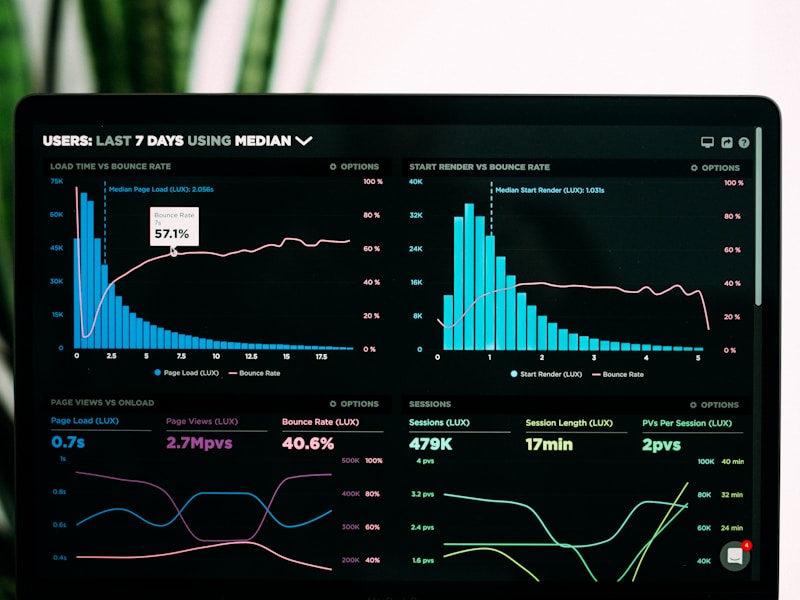
Manual processes produce very little useful data, and the records that do exist are incomplete, inconsistent and hard to analyse.
Automated processes record data as they run, with every transaction tracked and every interaction logged.
Plenty of retailers can't say which products are profitable. They track sales, but not accurately enough to see true margins after all costs.
Automated inventory and sales tracking shows which product lines lose money once handling time and returns are counted. Drop those and put your effort behind the ones that earn.
Accounting firms have the same blind spot with time. Without tracking, pricing is a guess, and nobody can tell which clients are profitable.
Automated time tracking shows where the hours go, so you can adjust pricing and focus on the clients that pay off.
You can't improve what you don't measure, and automation does the measuring for you.
10. Your Business Becomes More Valuable
If your business depends on you working 70-hour weeks, a buyer sees very little to buy.
What they'd be buying is your job, and nobody pays a premium for that.
A business that runs on documented, automated processes is worth real money. It operates without you, it scales predictably, and its systems are an asset in their own right.
Buyers want a business they can run and grow.
This matters even if you never plan to sell. You can take a proper holiday without everything falling apart, bring on partners, or step back from daily operations when you're ready.
A business that needs you there every day is really a job. Automation turns it into an asset, which gives you more options, from selling or passing it to family through to working less while earning the same.
These are the benefits New Zealand businesses see when they automate properly, and our own client results back them up.
The order is fairly predictable. Time comes back first, cash flow improves as payment cycles shorten, and then you start to notice the opportunities you're now catching. How much of each you get depends on your business: how many calls you miss, how many invoices you chase, how much of the week goes on admin.
None of it happens by itself, though. You have to automate the right processes and implement them properly.
Generic template automation gives mediocre results at best. Automation built around your own workflows is what delivers the benefits above.
If you're tired of 60-hour weeks spent on repetitive work, let systems take it over.
Pick one process you could automate this month.
If you're new to automation, start with our guide on [what business automation is](/what-is-business-automation/) and how it works. When you're ready to implement, our [workflow automation implementation guide](/workflow-automation-guide/) sets out a step-by-step roadmap. Then look at our [business automation services](/nz/business-automation/) to see how we can put these benefits to work in your business.
Put These Benefits to Work in Your Business
Book a free 60-minute consultation and we'll work out which of your processes gain most from automation, with an estimate of the time and cost you'd save.
Schedule Free ConsultationAbout Anvesh Katuri
Founder of Invenix. He helps Auckland SMBs get their time back with AI automation. He ran his own business before Invenix and worked 70-hour weeks until he started automating the admin.
Related Articles
Workflow Automation: Complete Implementation Guide for NZ Businesses
How to implement workflow automation in an NZ SMB: which workflows to pick first, which tools to use, and a four-week roadmap from mapping to go-live.
What is Business Automation? A Complete Guide for New Zealand SMBs
Learn how business automation cuts manual work, speeds up cash flow, and frees your team for the work that grows the business.